
Dr. Damilola Oshin Sparks Debate Over Women in Ministry, Says Married Women Should Not Pastor
CREATOR: gd-jpeg v1.0 (using IJG JPEG v62), quality = 82?
These are not not words, this in words from the Holy Bible.
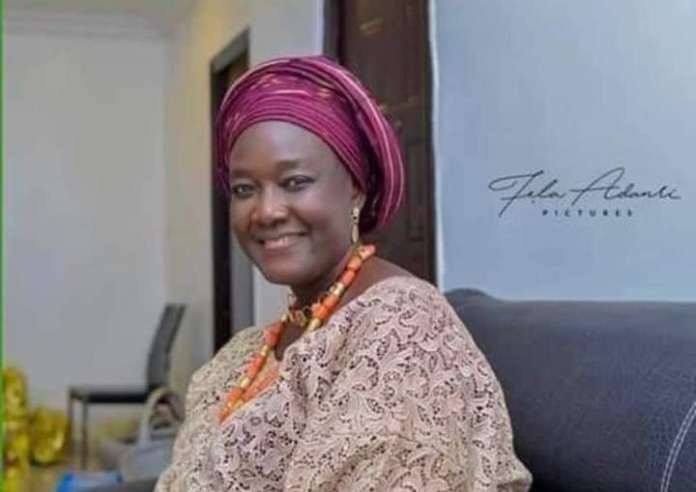
Nigerian educator and preacher, Dr. Damilola Oshin, has stirred fresh debate within Christian circles after delivering a sermon stating that married women should not serve as pastors or preach in the presence of their husbands, citing several biblical passages to support her position.
In a YouTube teaching, the preacher said her message was based strictly on scripture rather than personal opinion, stressing the importance of interpreting the Bible carefully and avoiding “speculation.”
Referencing 1 Corinthians 7:34, she drew a distinction between married and unmarried women, arguing that unmarried women are freer to focus fully on spiritual matters, while married women are instructed to prioritize responsibilities toward their husbands.
She also cited Ephesians 5:22-24, which speaks about wives submitting to their husbands, describing the husband as “the head of the wife.” According to the cleric, this passage establishes a structure of authority within marriage that extends into ministry roles.
The preacher further referenced 1 Timothy 2:11-14 and 1 Corinthians 14:34-35, claiming the scriptures specifically address married women and their conduct within the church. She argued that the biblical instructions on silence and submission apply to wives in relation to their husbands, not to women generally.
“As long as a woman is married and her husband is alive, she cannot be a preacher or minister over him,” she said during the sermon, adding that unmarried women, widows, or women who have never married are not bound by the same restrictions.
The cleric also dismissed the concept of “Pastor Mrs.” within church leadership, insisting that married women should remain in subjection to their husbands in spiritual settings.
However, she maintained that women should still study the Bible, pray, and grow spiritually, clarifying that her interpretation does not prohibit women from personal devotion or Christian learning.
The sermon has since generated mixed reactions among Christians and religious observers, with some supporting the preacher’s conservative interpretation of scripture, while others argue that biblical teachings on ministry should be understood in a broader cultural and theological context.
Debates surrounding the role of women in church leadership continue to divide opinions across denominations worldwide, with some churches ordaining women as pastors and bishops, while others maintain traditional interpretations that limit pastoral authority to men.