“Shaping Young Minds Through Story: Adesuwa Etomi-Wellington Champions Value-Driven Animation”
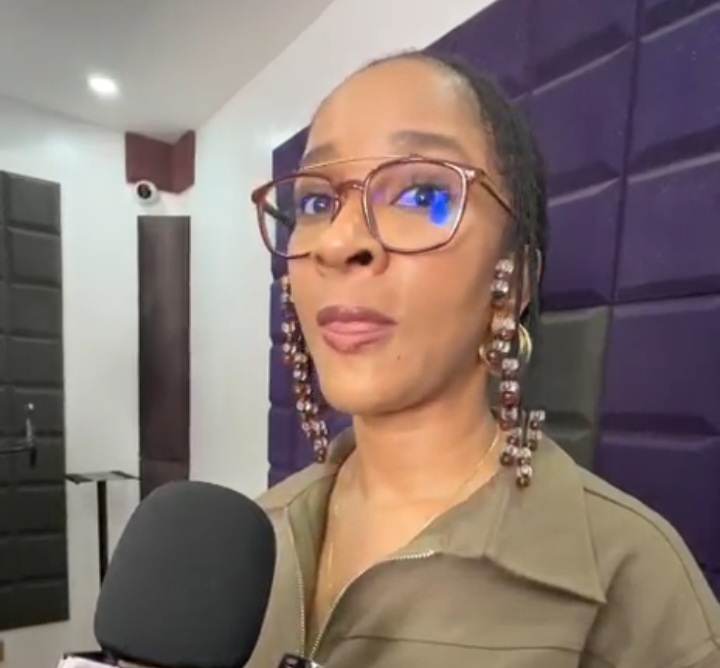
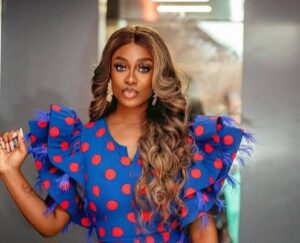
In an industry often driven by spectacle and trends, Adesuwa Etomi-Wellington is choosing purpose. The Nollywood star is lending her voice—and her values—to a new animation project aimed at children, one that prioritizes character-building as much as entertainment.
Speaking in an interview with Eniola of Guardian Newspaper, the actress reflected on the deeper motivations behind her involvement, emphasizing the importance of storytelling that nurtures young minds.
“For me, it’s about the things that make you a better human being,” she said. “Love, discipline, friendship, empathy, kindness—these are the ingredients that shape who we become.”
As a mother, Etomi-Wellington says her perspective on creative projects has evolved significantly. Her choices are no longer just about compelling scripts or standout roles—they are about impact.
“What interested me most? She explained. “I liked the role, I liked the spirit of excellence, but most importantly, I loved that it was for kids.”
In today’s fast-paced digital world, she notes, children are constantly exposed to content—yet not all of it contributes positively to their development. For her, this project stands out because it intentionally does the opposite.
“A lot of things our kids are exposed to are not necessarily healthy,” she said. “And just because it’s a cartoon doesn’t mean it teaches the right values.”
That distinction is crucial. According to her, animation should not be dismissed as harmless or purely entertaining. Instead, it holds powerful potential as a teaching tool—one that can instill empathy, discipline, and kindness early in life.
“It’s really important to me that there’s a variety of things my children can watch that are healthy,” she added. “So to be involved in something that aligns with the values I personally uphold—it’s a deep, deep honor.”
Beyond the message, Etomi-Wellington also touched on the significance of representation in animation, particularly the growing movement to bring authentic Nigerian voices into global storytelling spaces. As more productions seek to localize their narratives, the question of voice authenticity—whether to use foreign accents or indigenous tones—becomes increasingly relevant.
For her, the answer lies in authenticity and cultural pride.
As Nollywood continues to expand its global footprint, voices like hers are helping to redefine what children’s content can—and should—be: intentional, culturally grounded, and deeply impactful.