
Tensions Rise in South Africa Over Coronation of Nigerian Igbo King, Sparking Legal and Cultural Dispute
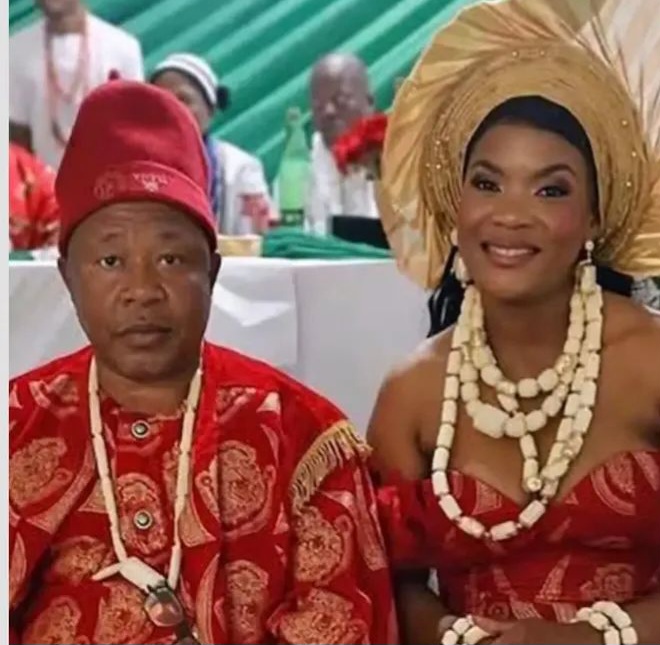
Tension has erupted in South Africa following the controversial coronation of a Nigerian Igbo traditional leader in the Eastern Cape, an event that has sparked widespread political, cultural, and legal debate across the country. The ceremony, which reportedly took place in East London, saw Nigerian national Solomon Ogbonna Eziko installed as “Igwe Ndigbo,” a title traditionally used among the Igbo people of southeastern Nigeria to denote a king or cultural monarch. While such titles hold deep cultural and spiritual significance within Igbo communities, their establishment outside Nigeria—particularly within a sovereign state with its own recognized traditional leadership system—has triggered a sharp backlash.
Authorities in the Eastern Cape quickly distanced themselves from the event, stressing that the coronation had no legal standing and was not recognized by any level of government. Officials warned that the act could undermine the country’s constitutional framework, which strictly regulates traditional leadership under national law. In South Africa, kingship and chieftaincy are not merely symbolic roles but are formally embedded within governance structures, with clear processes required for recognition. The unilateral installation of a “king” by a foreign community has therefore been interpreted as an attempt to create a parallel authority system, raising concerns about sovereignty and the rule of law.
Traditional leaders were among the most vocal critics. Representatives aligned with the Eastern Cape House of Traditional and Khoi-San Leaders condemned the coronation as a violation of long-established customs and protocols governing leadership within their territories. The area in question falls under the authority of the amaRharhabe Kingdom, led by Jonguxolo Sandile, and leaders argued that the emergence of another “king” within the same jurisdiction constitutes a direct challenge to indigenous authority. For many, the issue is not simply about cultural expression but about the preservation of a legally recognized system of governance that remains deeply tied to land, identity, and community legitimacy.
The controversy has also drawn political attention, with parties such as the African Transformation Movement calling for an urgent investigation into the circumstances surrounding the coronation. They have urged authorities to examine whether any laws were violated, including those related to immigration, public order, and the regulation of traditional leadership. The party emphasized that while South Africa is a democratic nation that protects cultural diversity, such freedoms cannot extend to the establishment of structures that may conflict with state authority or create confusion over leadership and jurisdiction. Ancestral news